About project

Memory Engineering: The Mennonite Heritage of Zaporizhzhia

The "Engineering Memory: The Mennonite Heritage of Zaporizhzhia" project is a timely response to the need to rethink local history as the foundation of urban identity.

Implements
Yakiv Novytskyi Zaporizhzhia Scientific Society
With the support of
Ukrainian Cultural Foundation
In partnership with
  • Department of Culture and Tourism of the Zaporizhzhia City Council
  • Zaporizhzhia Museum of Architecture
  • Zaporizhzhia Center for Contemporary Art
Audio guide: Memory Engineering: The Mennonite Heritage of Zaporizhzhia
00:00 / 00:00

Why now

Amid the realities of the ongoing Russo-Ukrainian war, preserving cultural memory has taken on strategic importance. Today, the city must not only restore infrastructure following hostile attacks but also cultivate a holistic understanding of its origins by systematically researching and promoting its history.

The Mennonite heritage stands as a key—yet still insufficiently recognized—component of this history. The colonists who began settling the banks of the Dnipro in the late 18th century established a robust tradition of engineering, efficient management, and innovative architecture.

These very approaches laid the foundation for the region’s rapid industrial ascent in the late 19th and early 20th centuries, radically transforming the urban landscape and establishing a distinct work culture. Yet today, this heritage remains fragmented, hindering its recognition as an integral part of our identity.
A New Approach to Heritage

The project proposes a new approach to engaging with historical heritage—treating it as a living experience of interaction. Its primary goal is to bring this chapter of history back into the city's public space using a set of tools:

  1. Bronze mini-sculptures

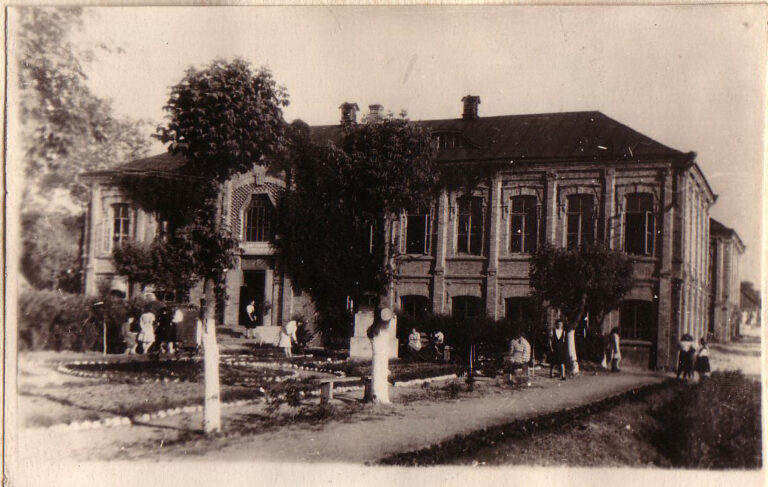
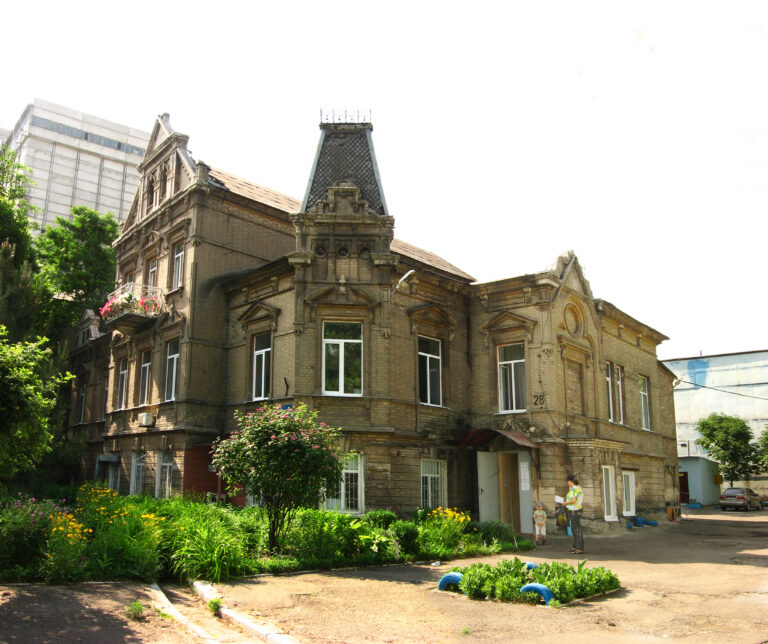
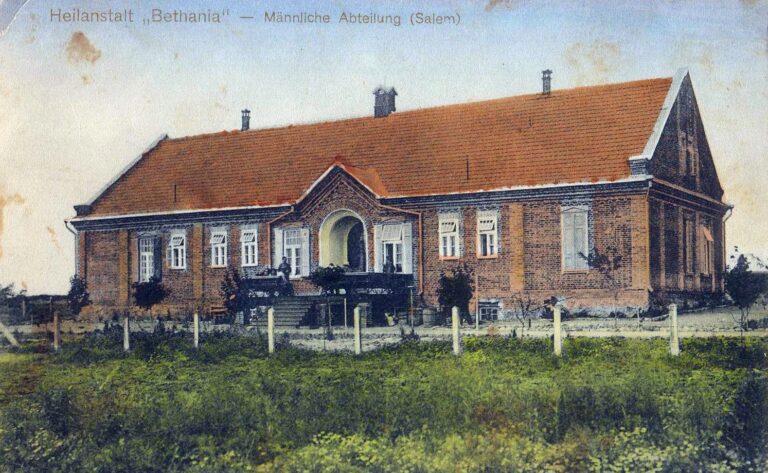
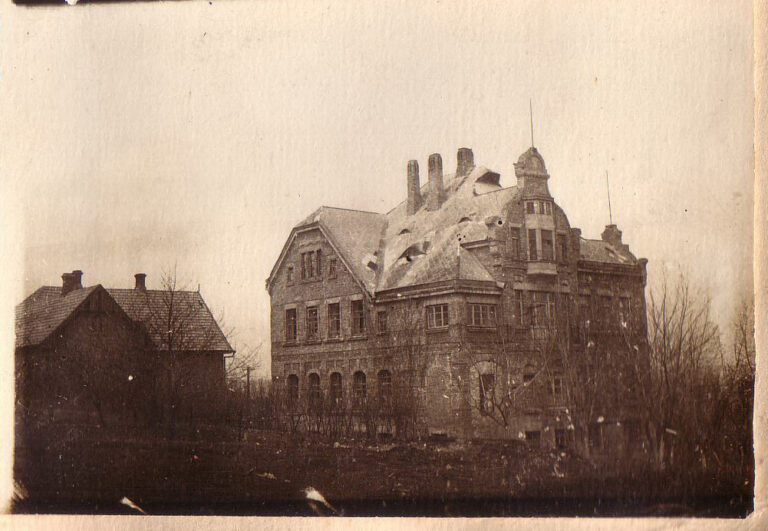
    Creation of bronze mini-sculptures depicting four iconic examples of Mennonite architecture. The sculptures will be installed in the waterfront area of ​​Enerhetykiv Park, offering a panoramic view of the site where the remains of the Mennonite village of Einlage lie submerged beneath the waters of the Dnieper Reservoir.

  2. Digital 3D models

    Development of digital 3D models of these and other historical Mennonite structures.

  3. Spatial art installation

    Installation of a spatial art piece in Enerhetykiv Park, showcasing traditional Mennonite Flemish brickwork overlaid with a thematic mural depicting the Mennonite village of Einlage.

  4. Digital platform and leaflets

    Launch of a digital platform to deepen knowledge about Mennonites and their culture, and the release of a series of thematic postcards to further highlight and popularize the topic.

What will this change

Such a synthesis of formats will allow citizens and guests of Zaporizhzhia not only to receive information, but also to personally experience contact with history through form, space, and material.

We are convinced that the implementation of this initiative will have a significant impact on the region’s cultural landscape. The resulting sites will serve as both a modern educational resource and a new tourist destination, thereby raising public awareness.

By integrating architecture, urban planning, and technology, the project adopts a European approach that views memory as a resource for societal development. For us, this represents a logical continuation of our systematic efforts to preserve and promote the historical heritage of the Zaporizhzhia region.

Partners and Support