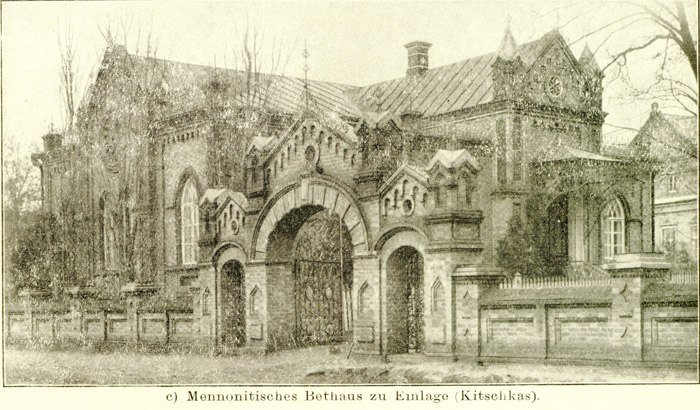
Quality education played an extraordinarily important role for the Mennonites. In Protestant ethics, it was considered not merely a tool for building a career, but a fundamental duty of a person before God. According to these convictions, every individual has a personal divine calling which they are obliged to fulfil with maximum effectiveness. It was for this reason that the development of a network of schools, gymnasiums, and colleges was always an unconditional priority for the Mennonites. The most well-known of such institutions arose on the territory of the colonies of Khortytsia and Rosenthal (now Upper Khortytsia, which is part of Zaporizhzhia).
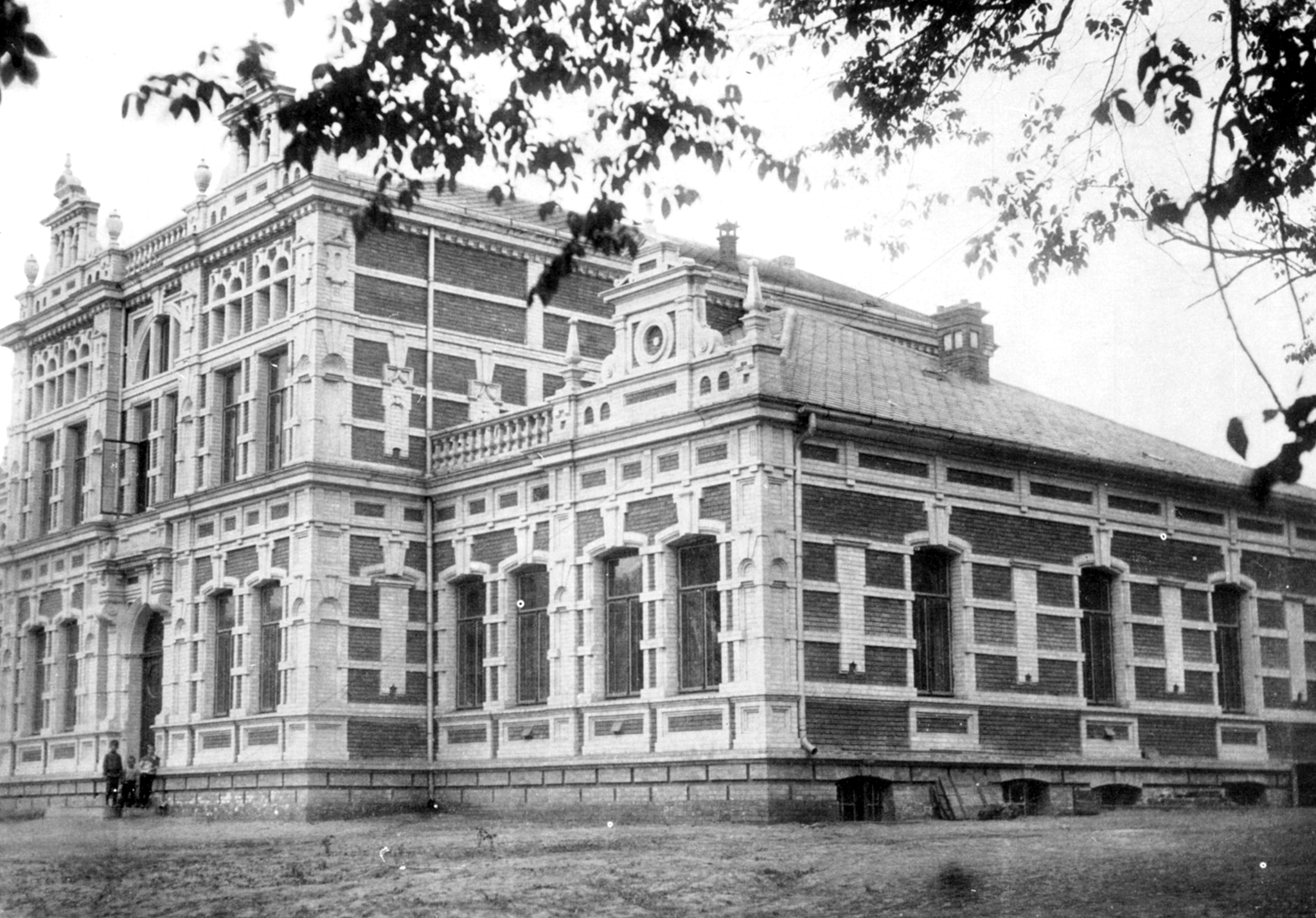
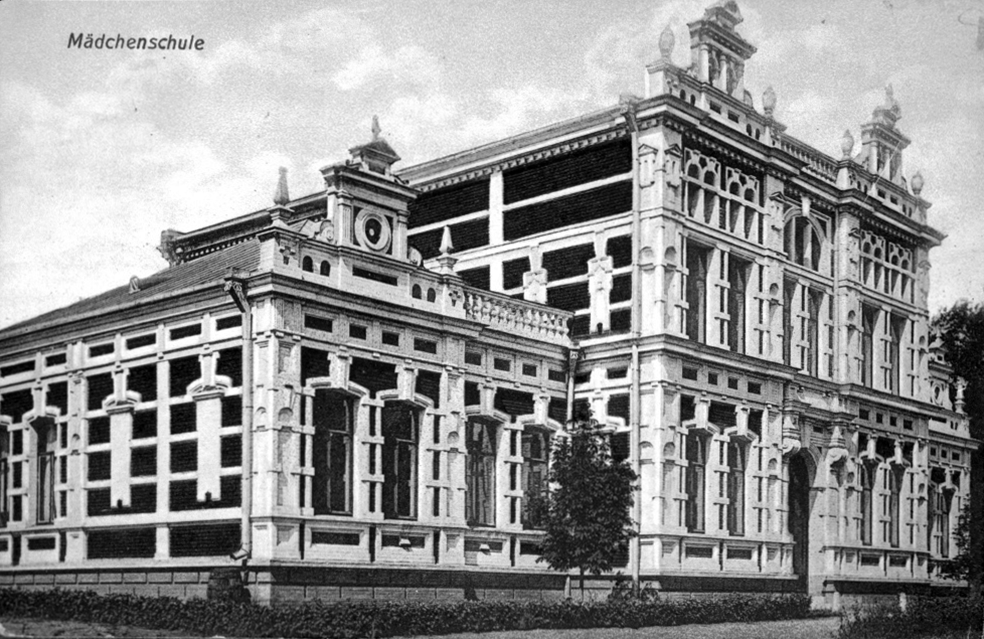
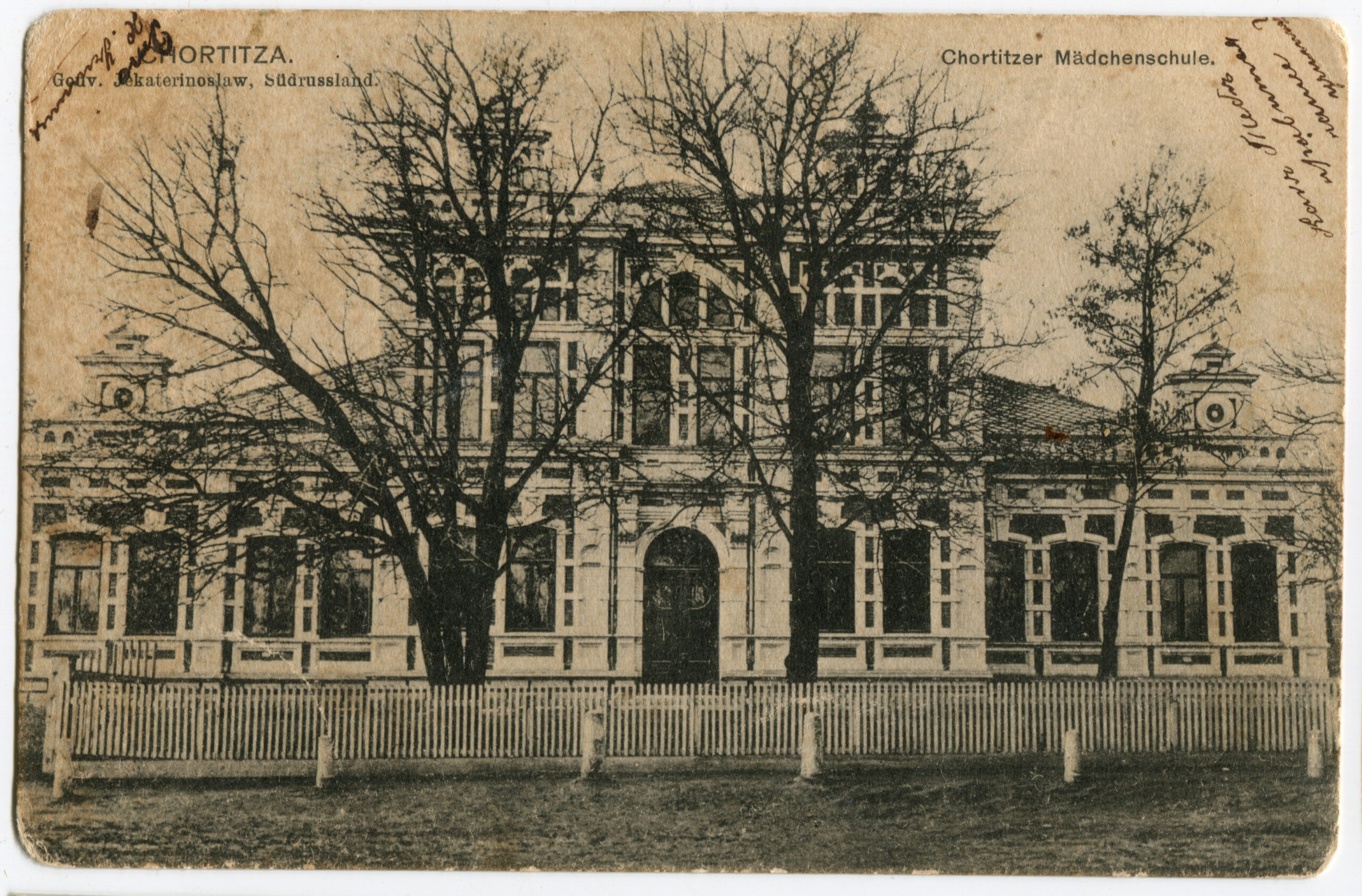
One of the most outstanding educational buildings was the Khortytsia Girls’ Gymnasium, erected in 1904 right on the boundary between these two settlements. Its construction cost an impressive sum for the time — 39,000 roubles. The lion’s share of the expenses was borne by benefactors, including Katarina Wallmann, who personally donated 10,000 roubles.
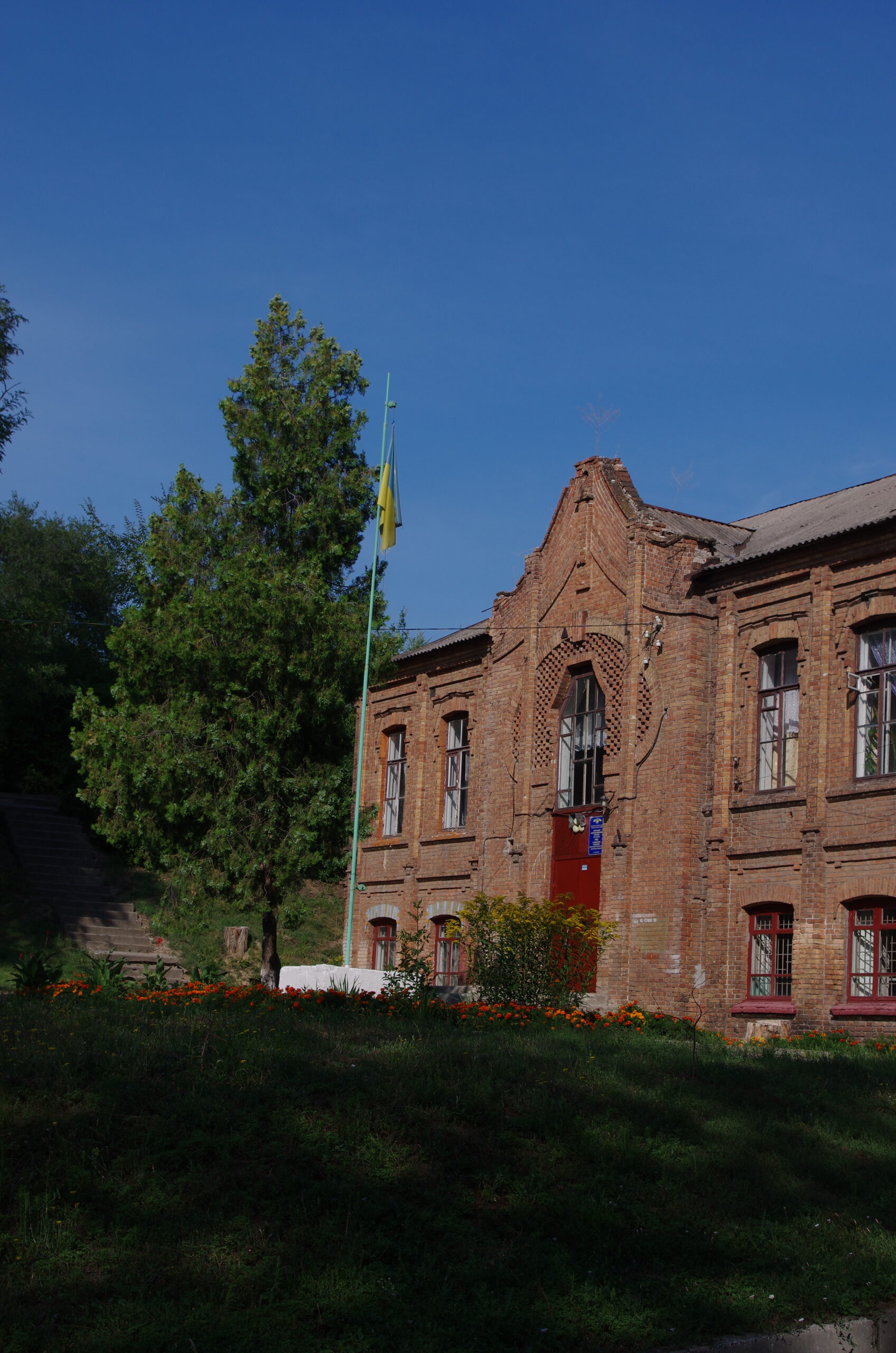
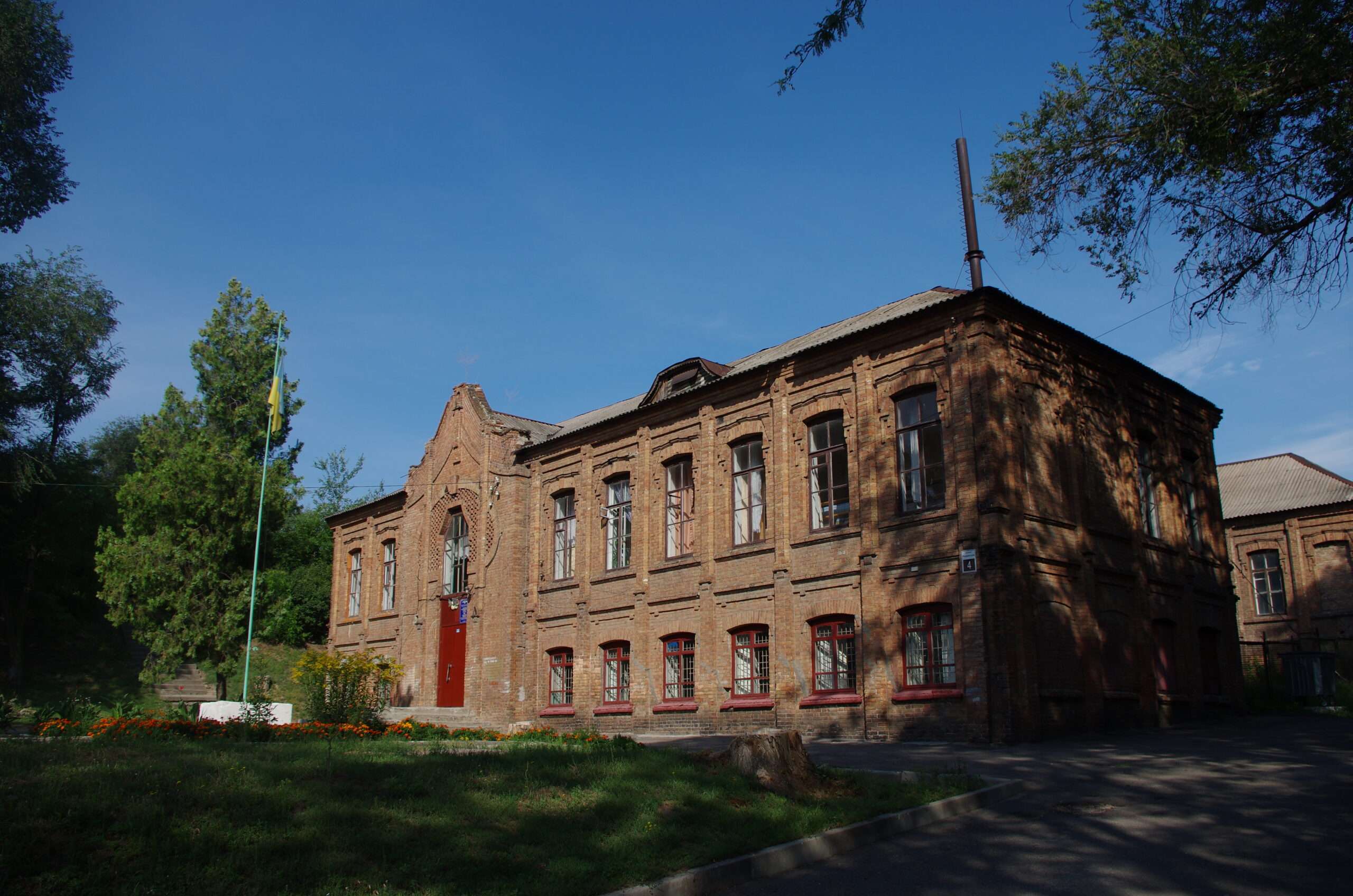
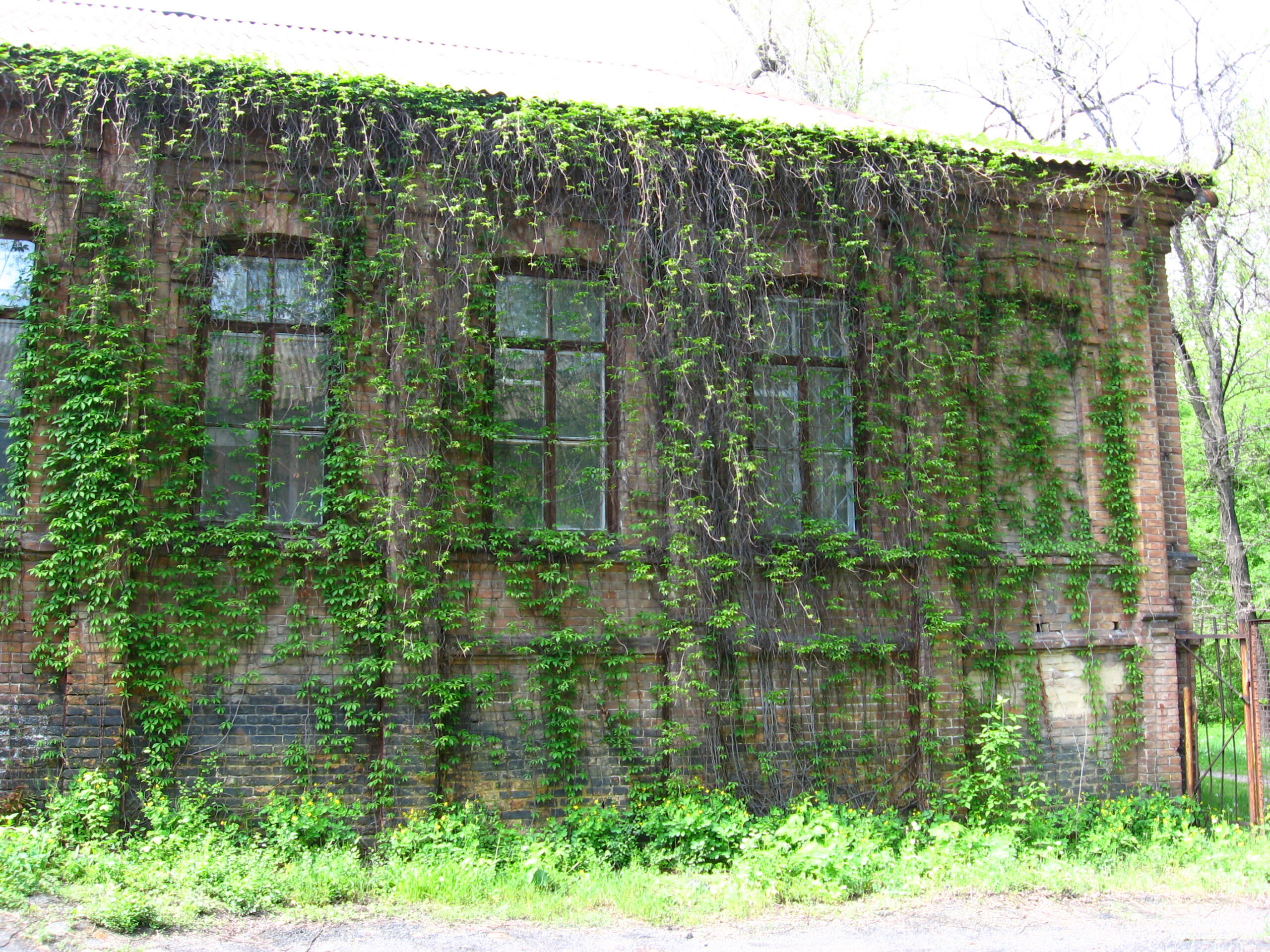
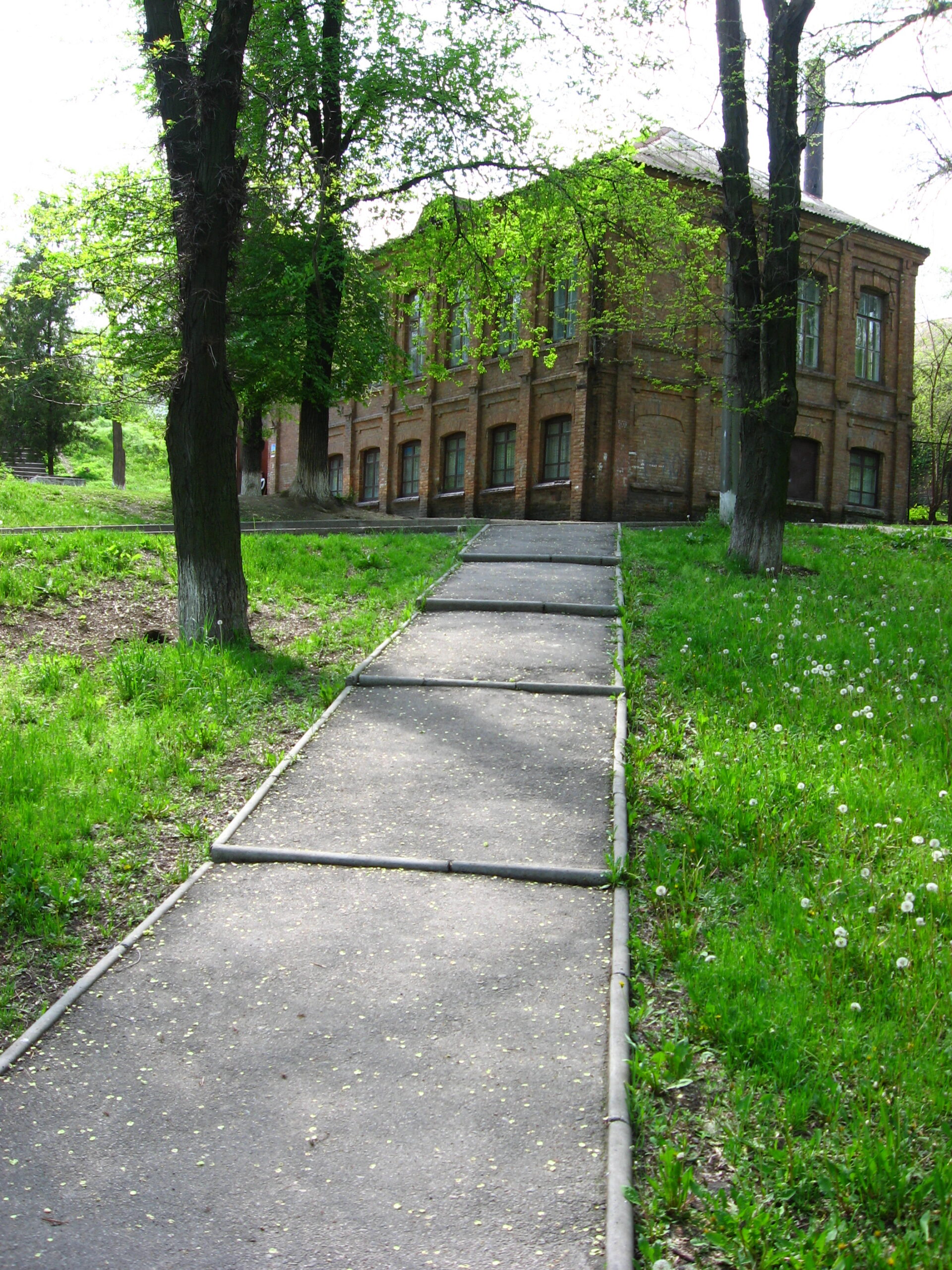
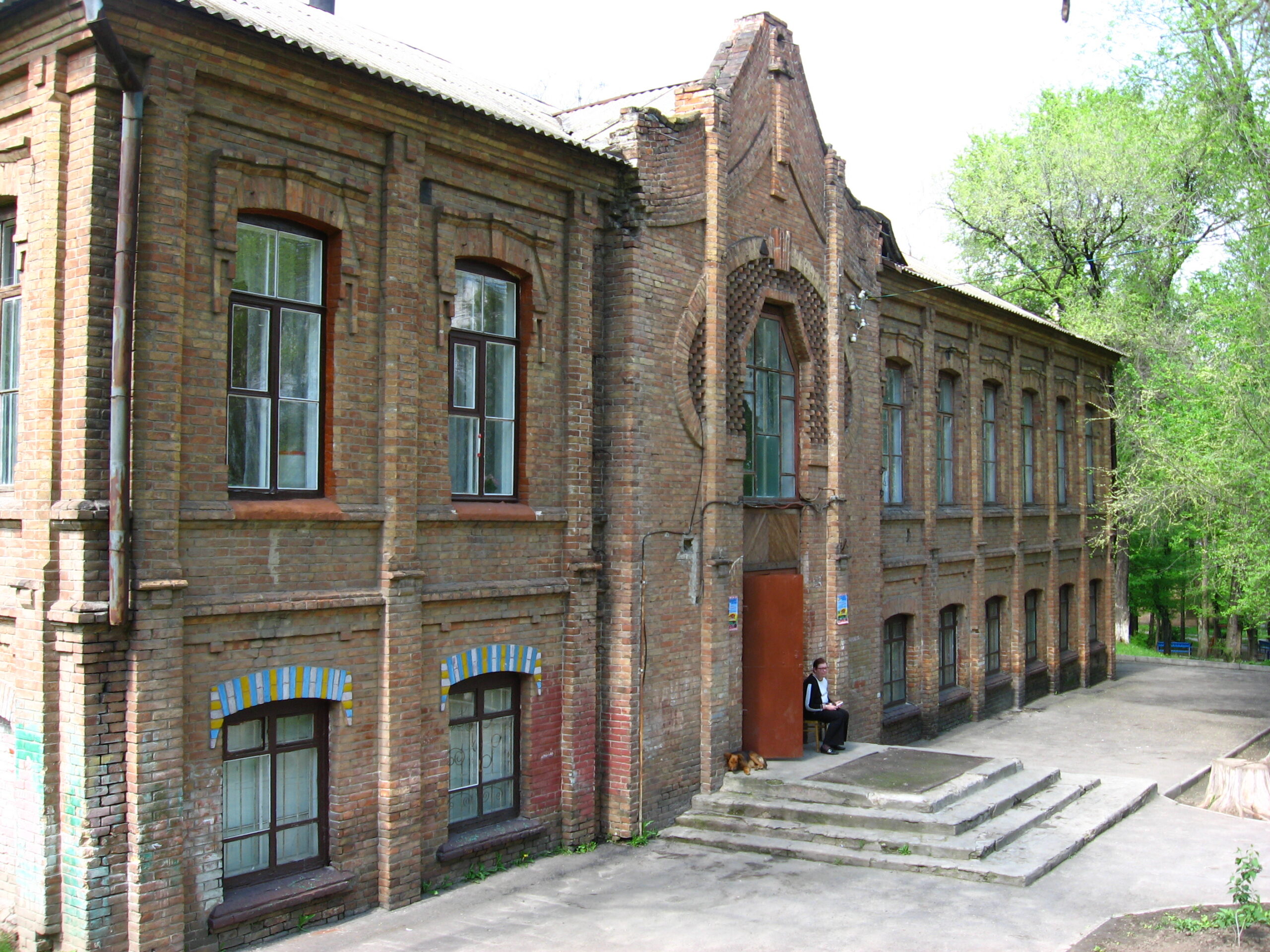
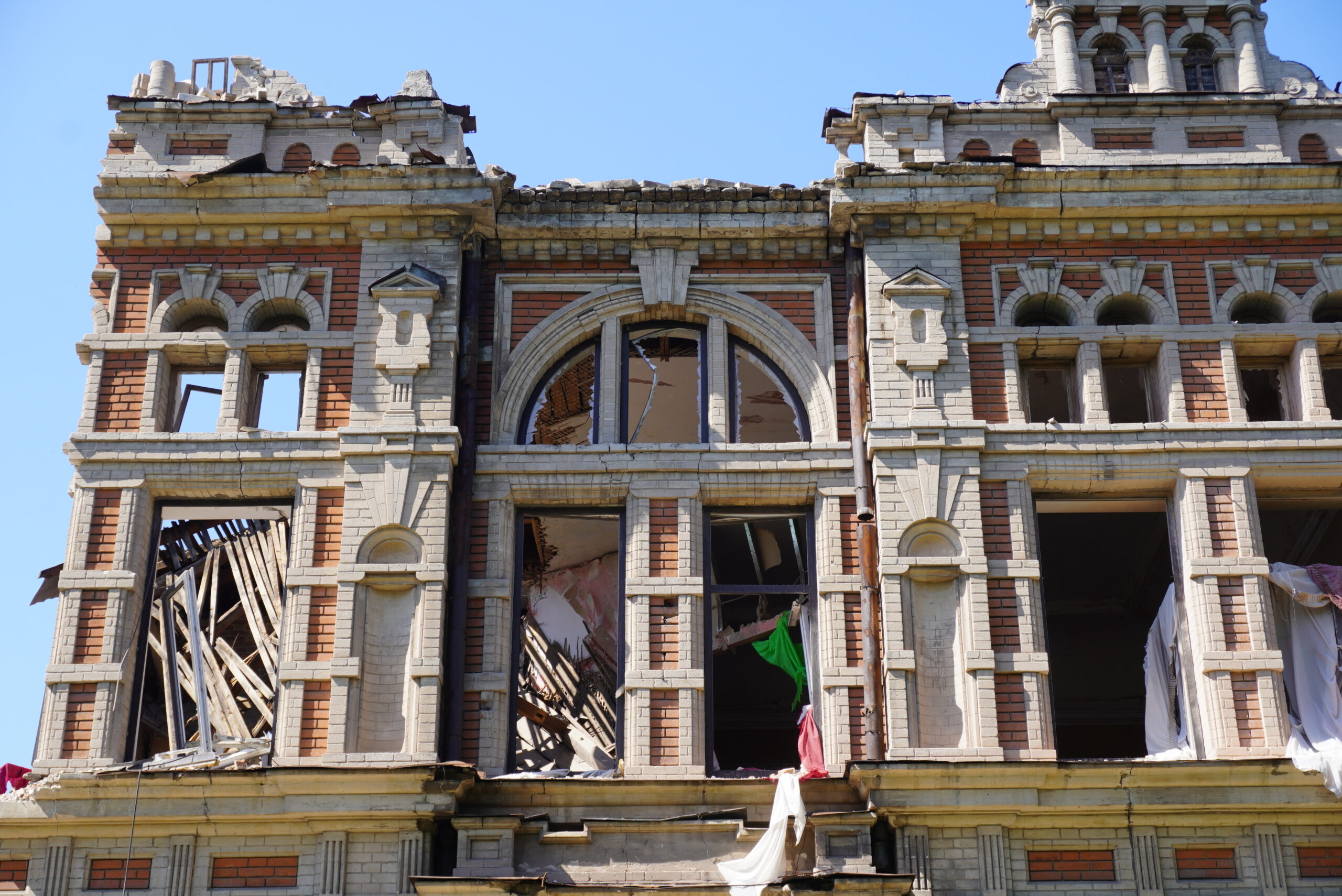
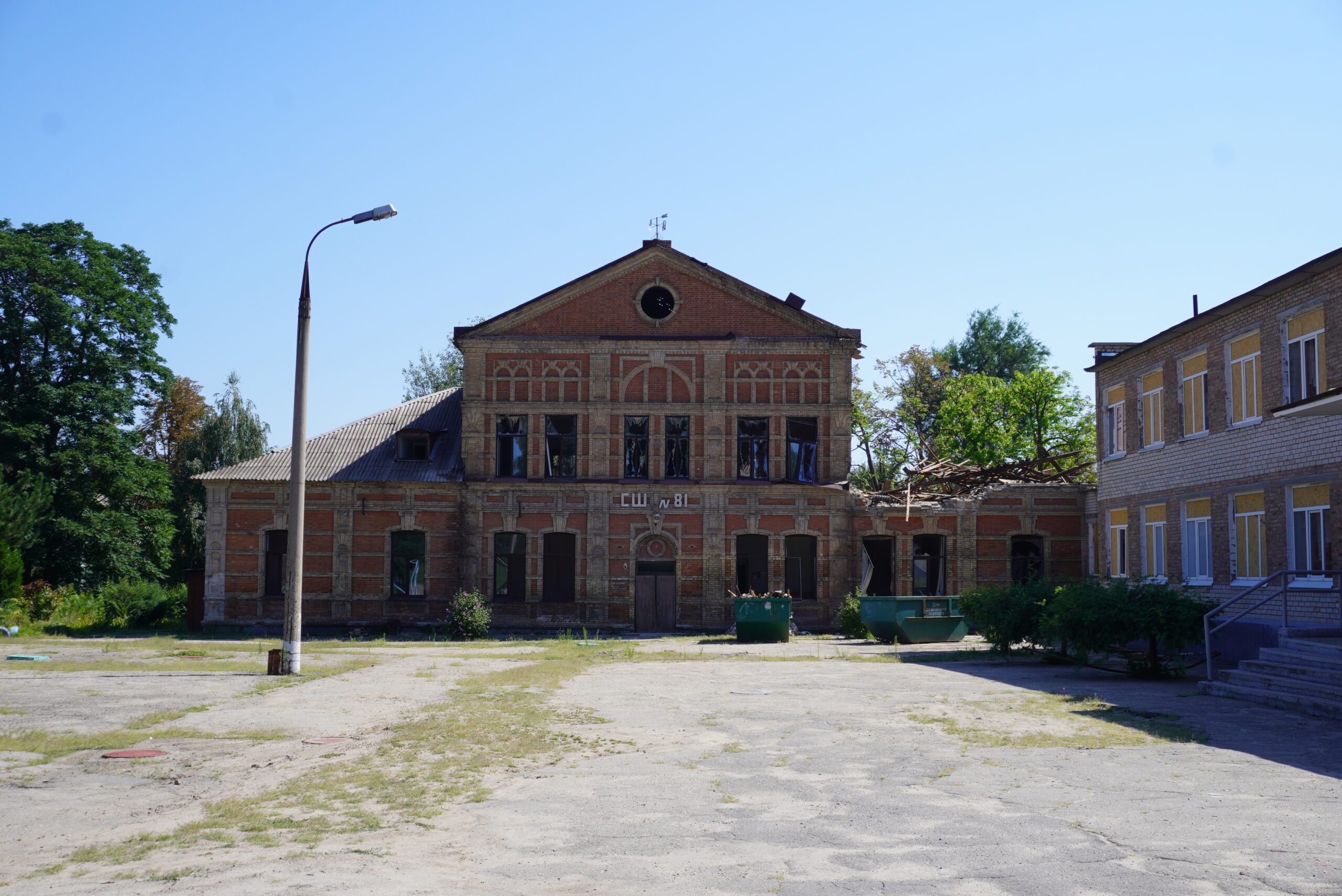
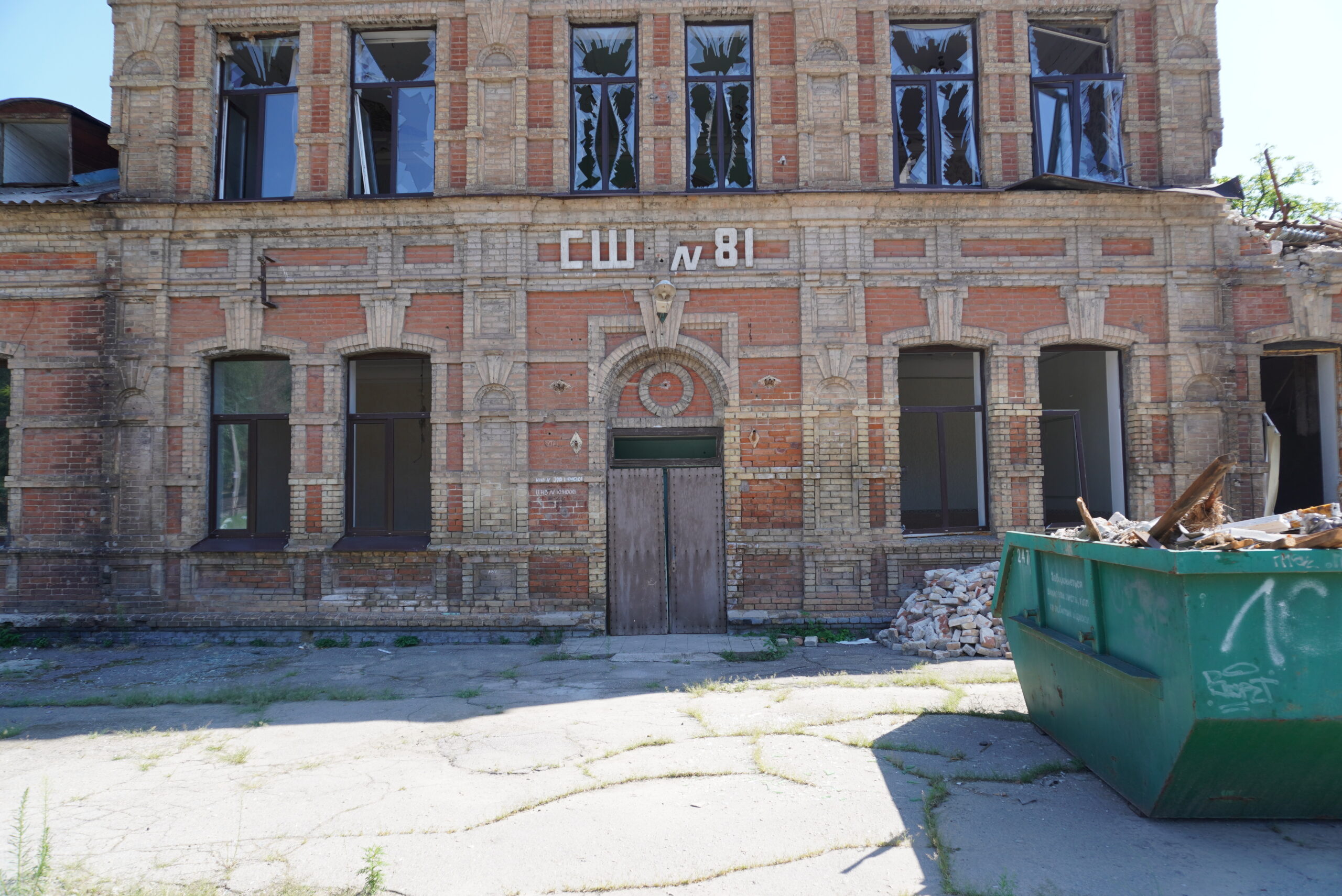
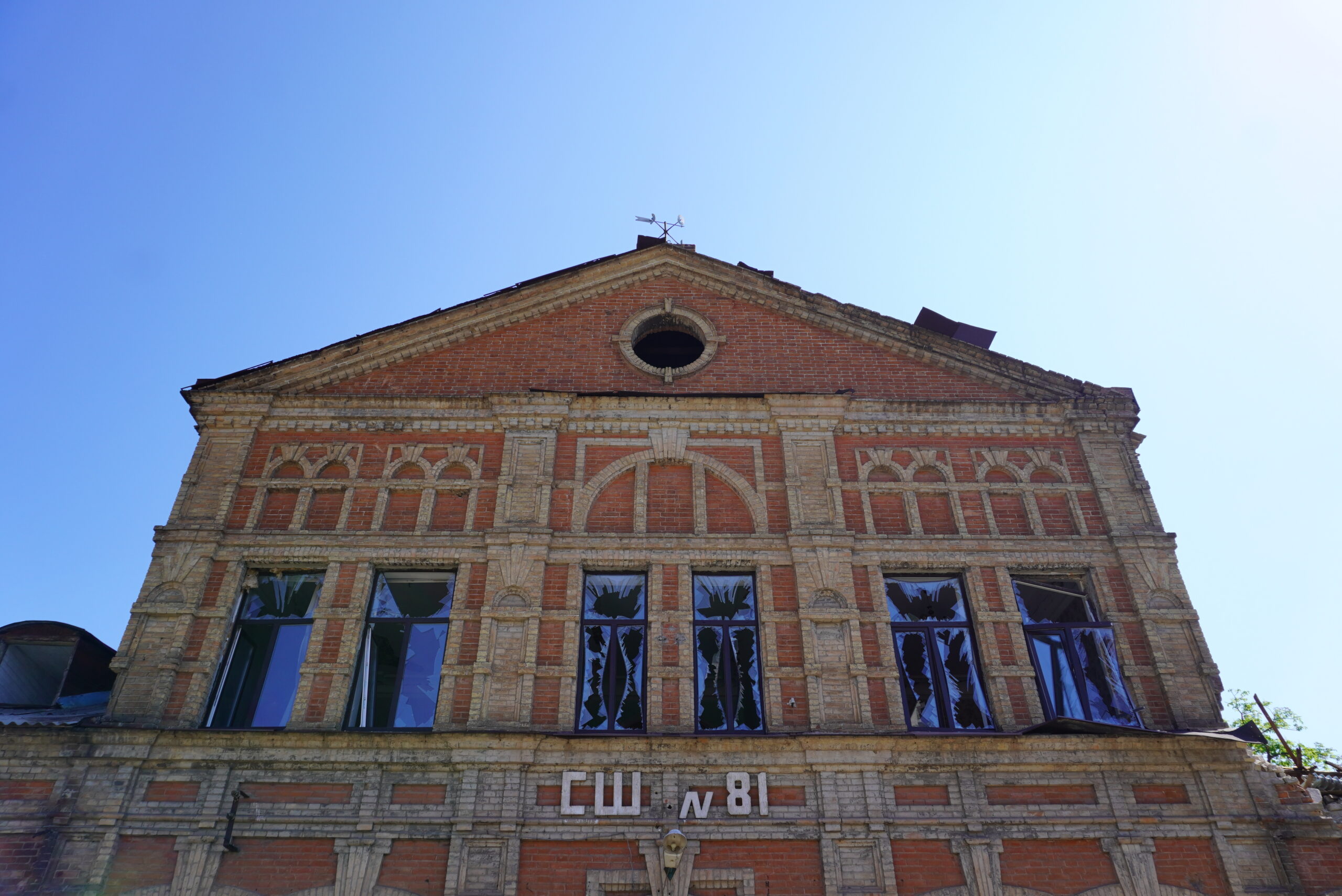
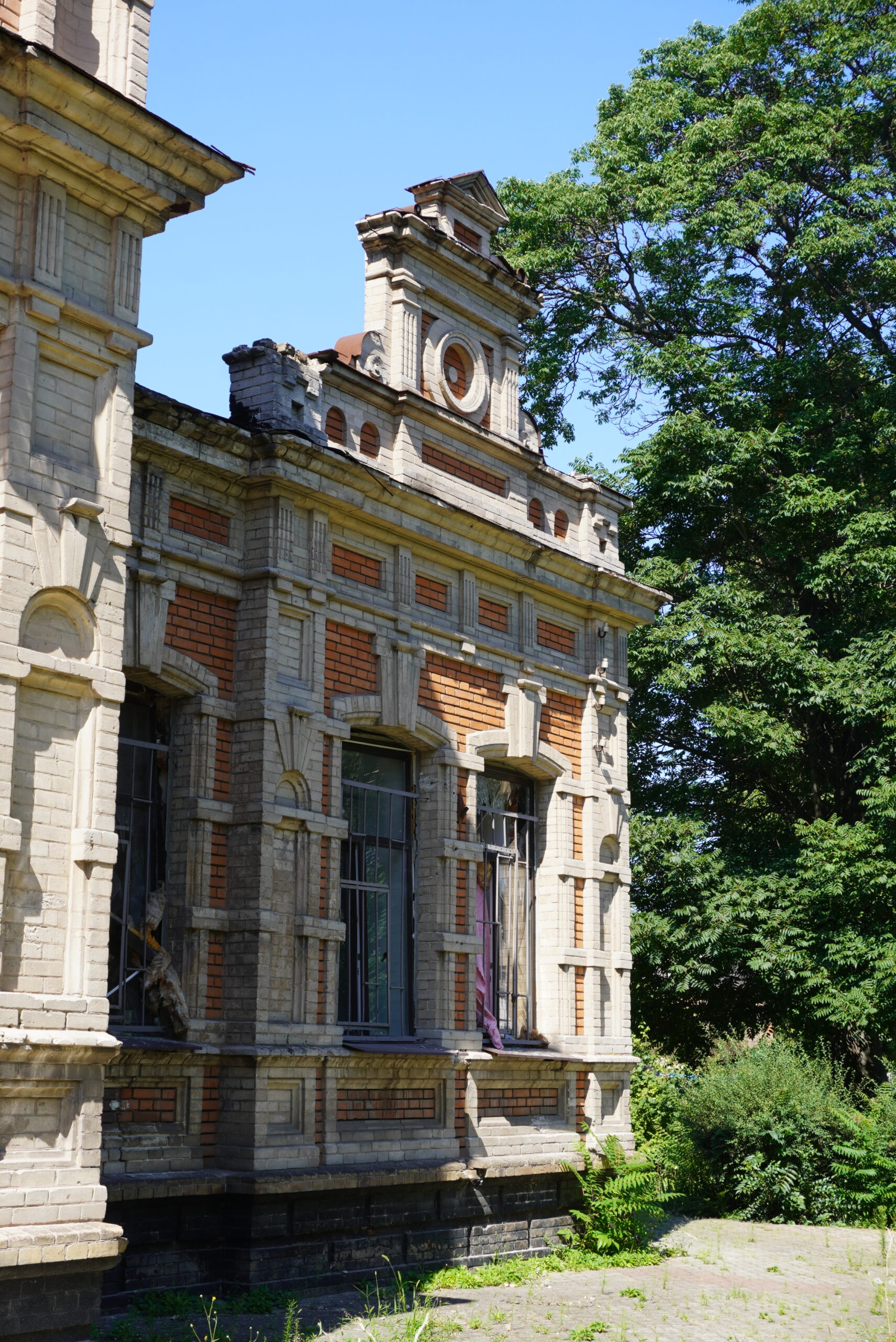
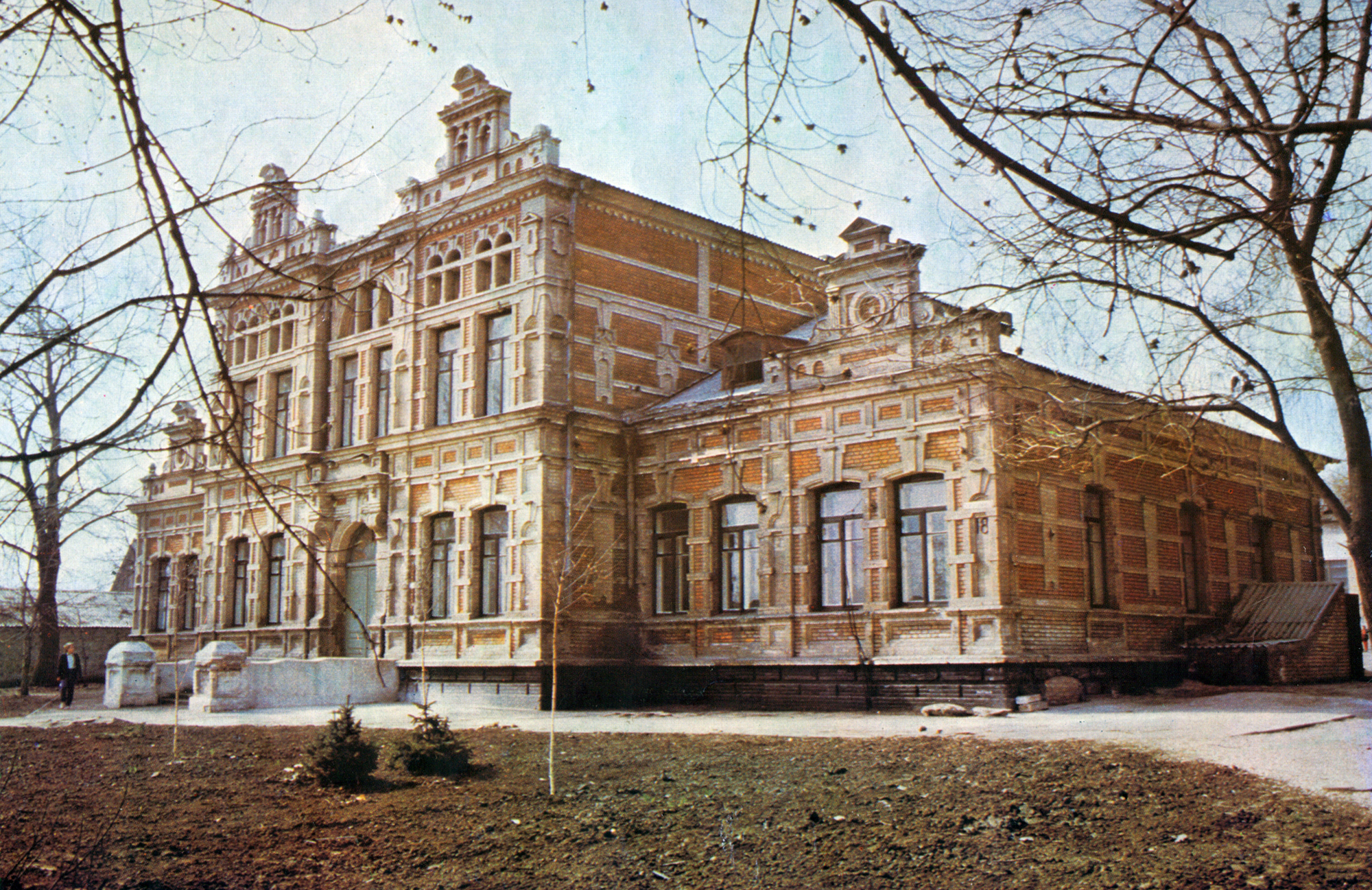
The new two-storey structure turned out original and rich in architectural detail, deliberately contrasting with the traditionally modest Mennonite dwelling. Its eclectic façade harmoniously combined features of Dutch Neo-Renaissance and Art Nouveau. Exquisite patterns of red and white brick, clerestory arched windows, and the overall silhouette made the gymnasium resemble the typical townhouses of Northern Europe.
On the ground floor of the girls’ school were the vestibule, four classrooms, a laboratory, and teachers’ accommodation. On the upper floor was a spacious assembly hall for daily prayers, concerts, and community gatherings. The floors were connected by metal staircases with cast railings from the local enterprise Lepp and Wallmann. The gymnasium had such a high reputation that not only Mennonite girls came to study here, but also representatives of other Christian denominations.
The “Mädchenschule” quickly became a centre not only of education but also of progressive civic initiatives. In 1910, within its walls, Petro Buzuk founded the first nature conservation organization in the country — the Khortytsia Society of Nature Guardians. It took under its protection the unique forest areas, cliffs, steppe sections, and centuries-old oaks of the right bank and Khortytsia Island. The society even purchased several dozen desyatinas of the rocky Dnipro shoreline, saving it from being turned into an industrial quarry.
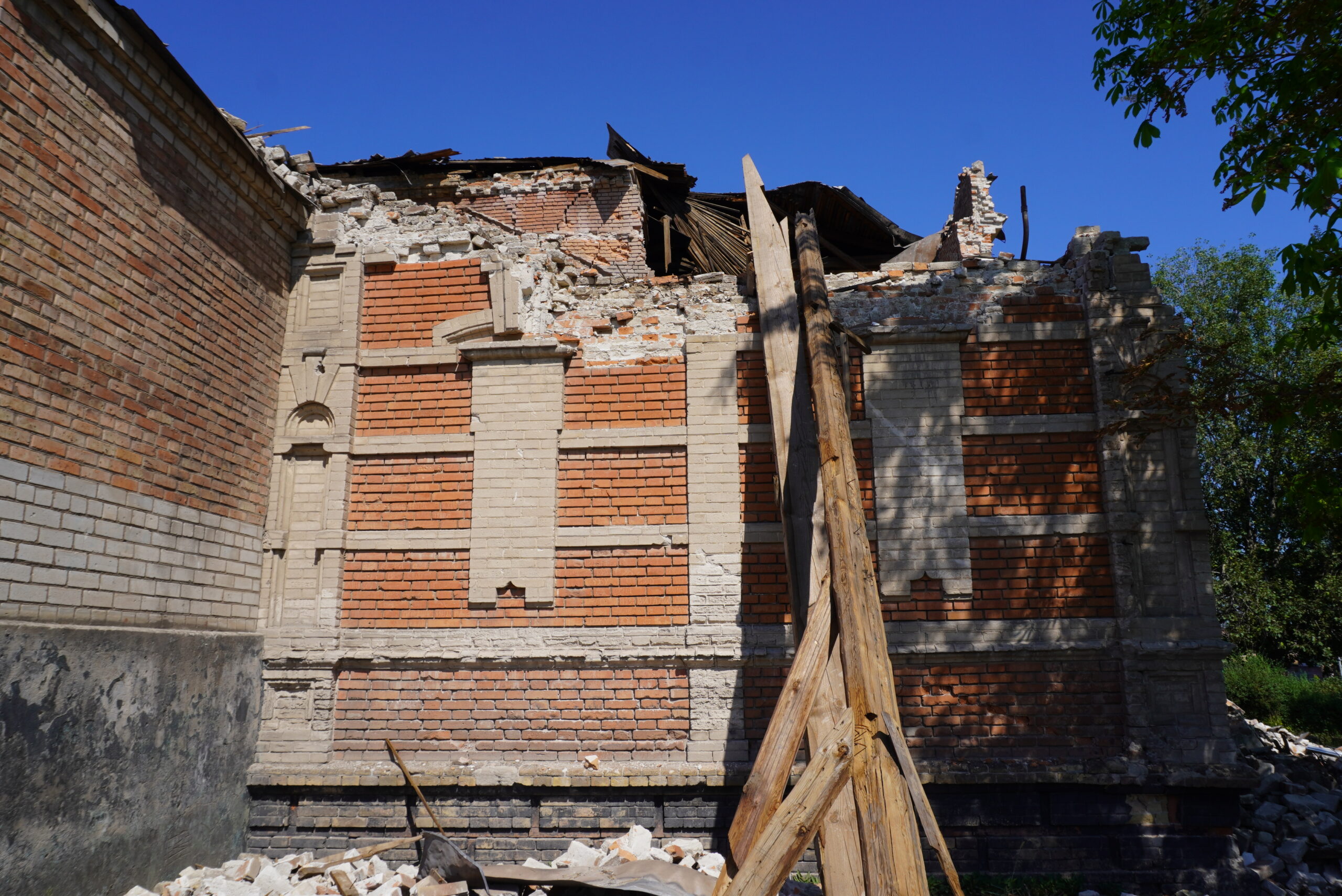
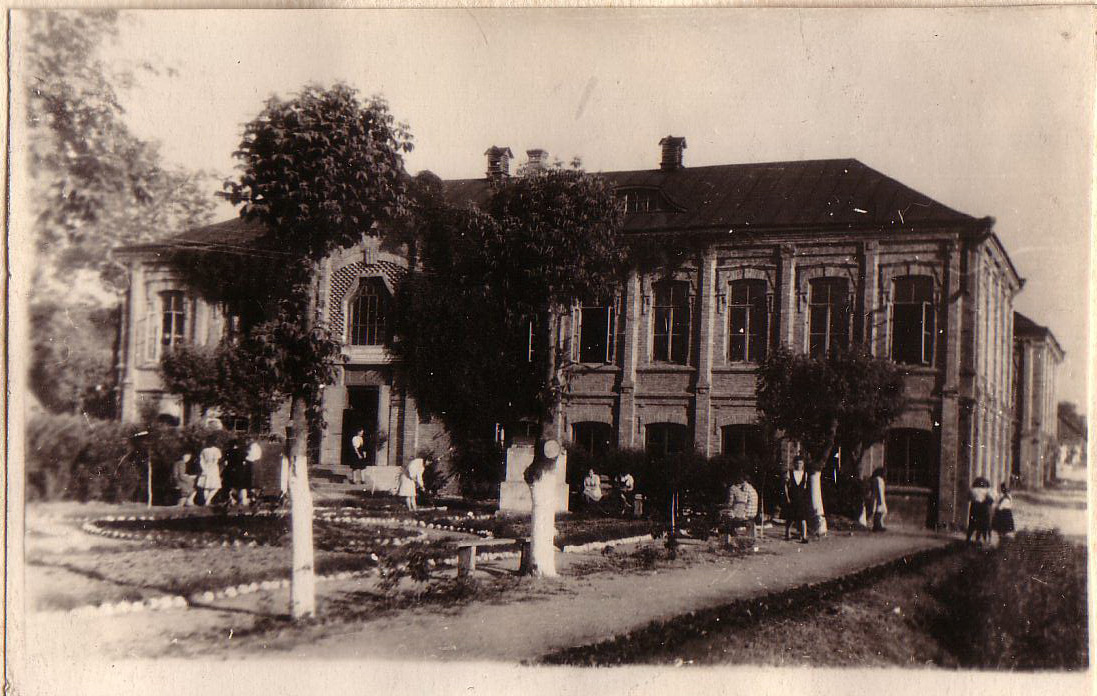
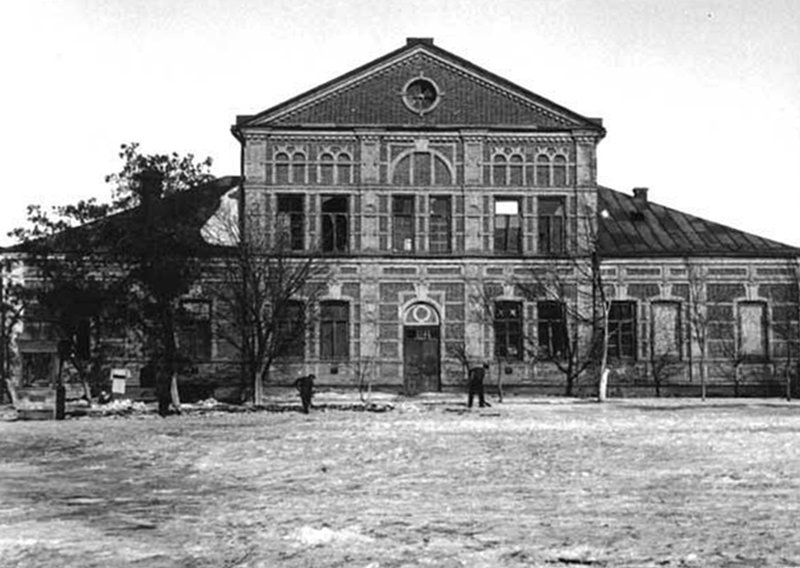
In 1920, the gymnasium was reorganized into a mixed labour school. Subsequently, within these historic walls, General Education School No. 81 opened and operated right up until 2024. Sadly, in the summer of 2026, part of the unique building suffered severe damage as a result of an air strike by Russian forces.
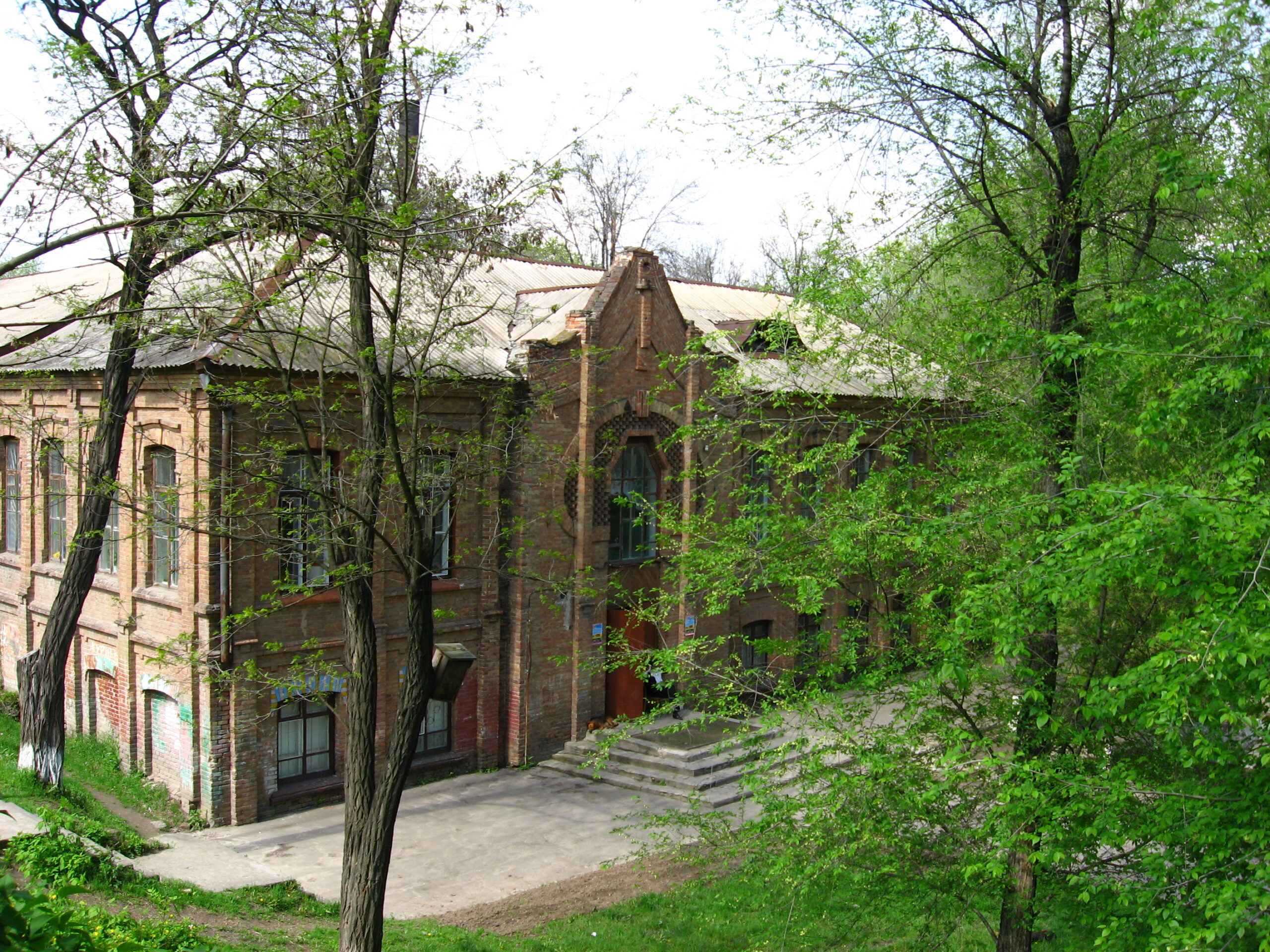
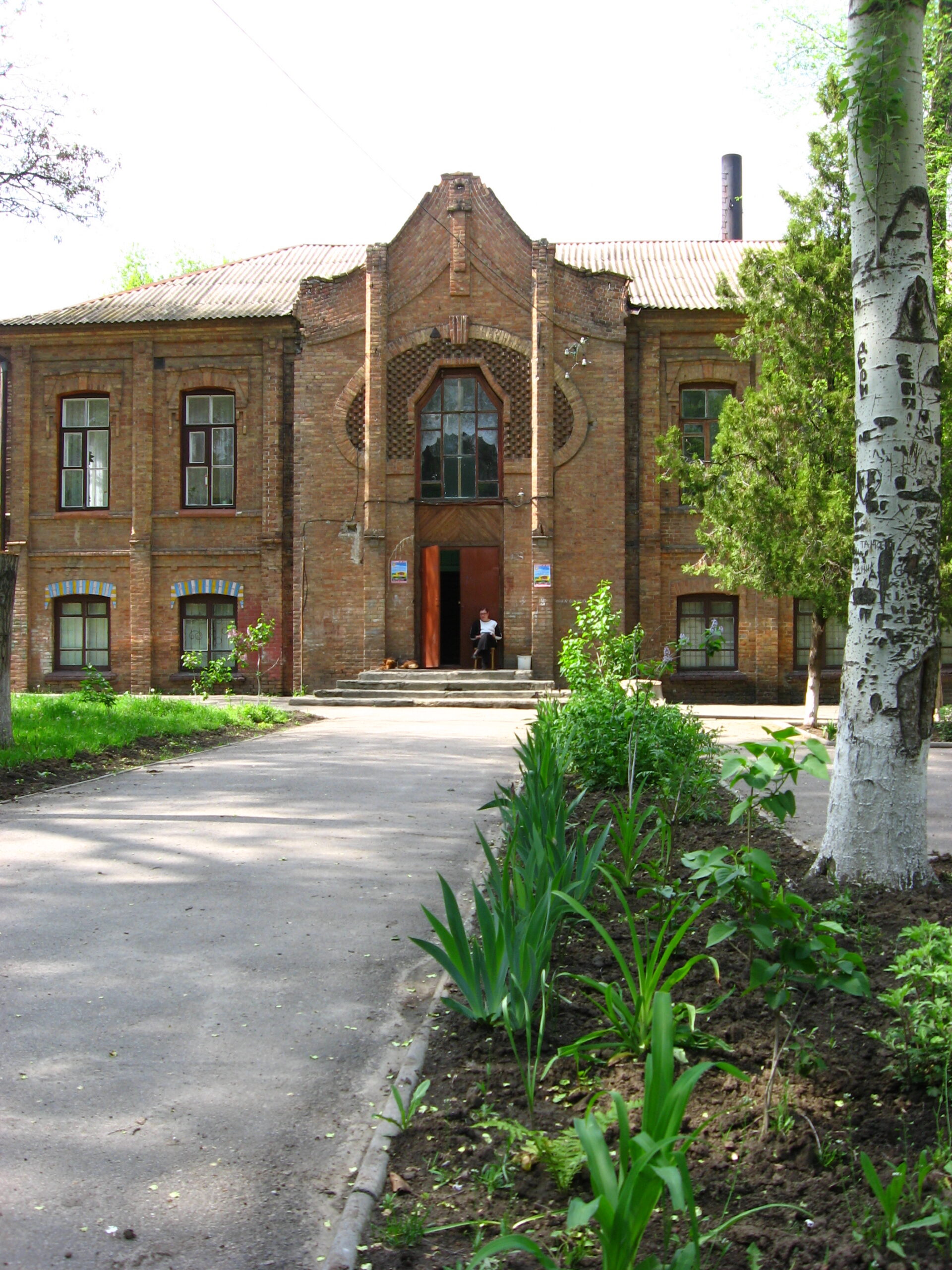
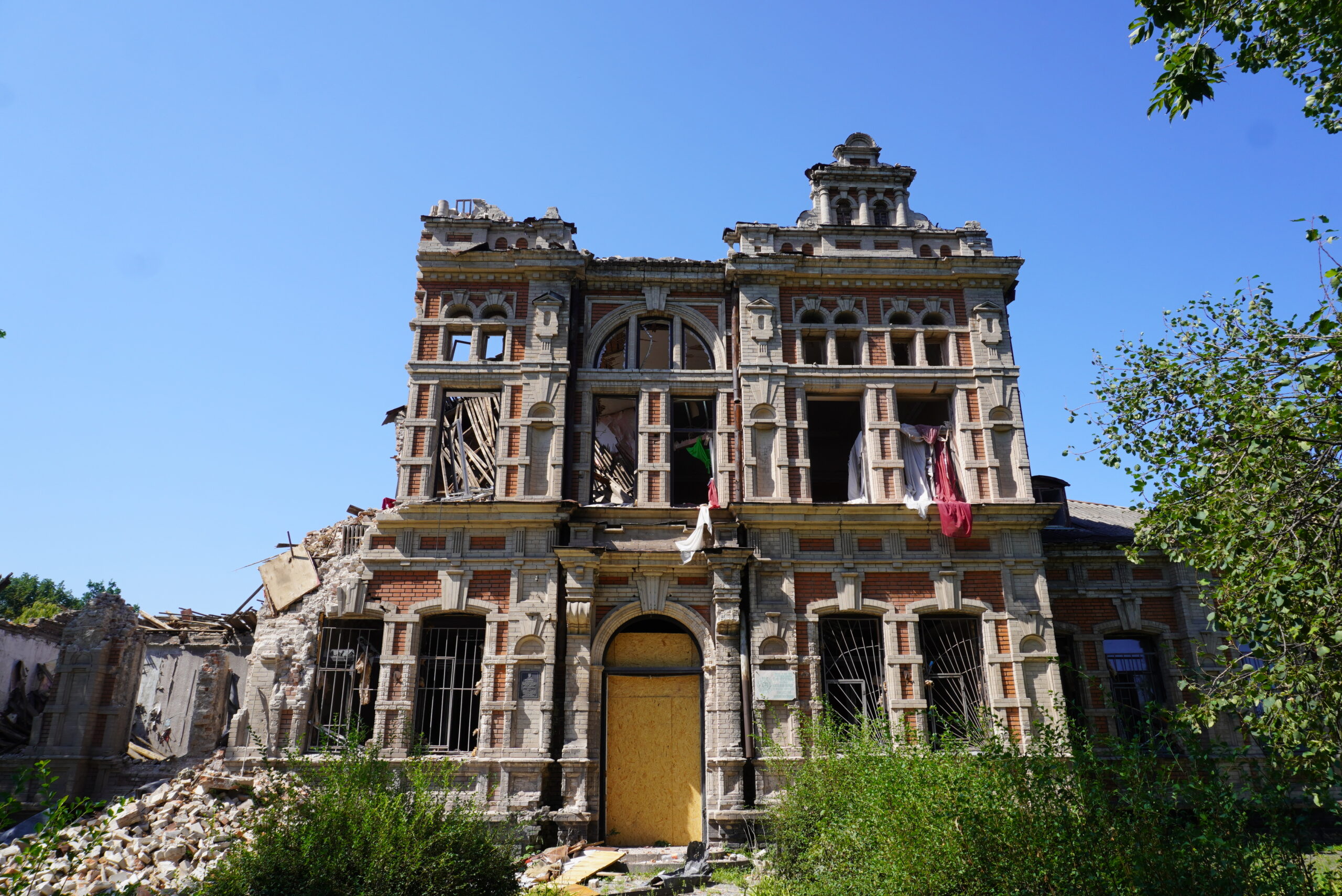
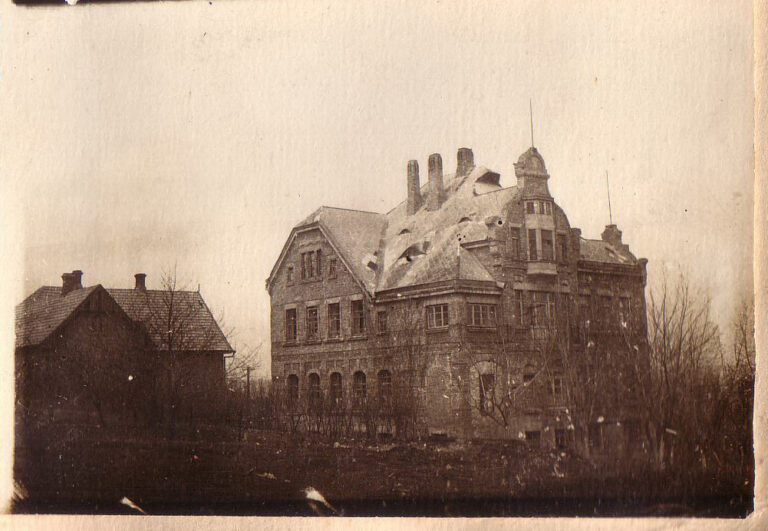
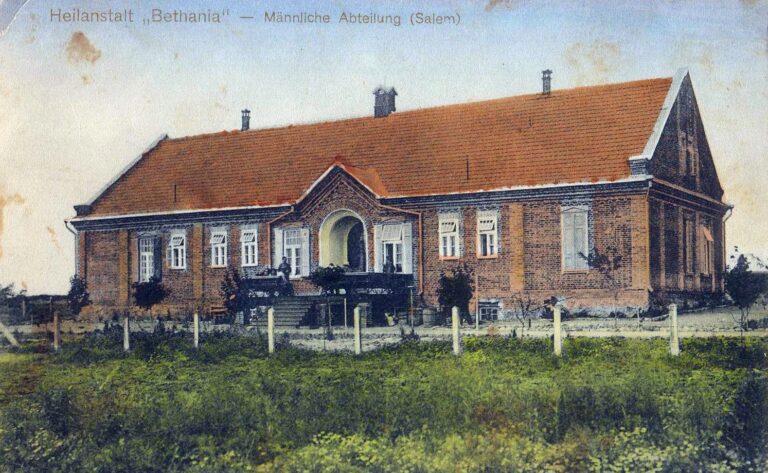
Another significant educational centre was the teacher training institute (college), whose building has survived not far from the girls’ gymnasium. The structure, erected in 1912 at a cost of 20,000 roubles, was officially opened a year later.
The architecture of the institute vividly reflects the Art Nouveau style. Particular attention is drawn to the risalit with the central entrance, crowned by a tall Dutch gable, while the second-floor window has the outlines classic to Art Nouveau.
Following the events of the First World War, a Red Cross hospital was housed here. In Soviet times, the building was returned once again to educational purposes, with a general education school opened in it, which continues to operate there successfully to this day.